Updated October 2026 • 10 min read
On 17 October 2026, at the World Travel Awards Europe gala in Montenegro, the Azores were named Europe's Leading Regional Adventure Tourism Destination 2026. It is the archipelago's seventh adventure title from the awards since 2020, after winning Europe's Leading Adventure Tourism Destination in 2020, 2021, 2022 and 2024 and World's Leading Adventure Tourism Destination in 2023 and 2024. The reasons are on the ground: volcano and crater lake hikes, canyoning down waterfalls, whale watching all year, diving with mobula rays, Portugal's highest mountain, and nine islands to combine, all about five hours from Boston and Toronto.
This guide covers the award and the adventures behind it, island by island, with when to go and how to book.
The 2026 Award
The World Travel Awards, founded in 1993, run regional galas each year with winners voted by travel industry professionals and the public. The Europe 2026 winners were announced on 17 October at the Hyatt Regency Kotor Bay Resort in Montenegro. The Azores took the regional adventure category, while Spain won the national adventure award. Portugal had a strong night overall: it was named Europe's Leading Destination, Madeira won the island category, the Algarve the beach category and Lisbon the city category.
The Azores regional government said the award strengthens the islands' international profile as a destination for nature and adventure experiences. Berta Cabral, the regional secretary for tourism, called it another important international recognition of the quality of the Azores' tourism offer.
| Year | World Travel Awards title won by the Azores |
|---|---|
| 2020 | Europe's Leading Adventure Tourism Destination |
| 2021 | Europe's Leading Adventure Tourism Destination |
| 2022 | Europe's Leading Adventure Tourism Destination |
| 2023 | World's Leading Adventure Tourism Destination |
| 2024 | World's Leading Adventure Tourism Destination and Europe's Leading Adventure Tourism Destination |
| 2026 | Europe's Leading Regional Adventure Tourism Destination |
Source: the Visit Azores Association profile on the World Travel Awards website.
Hiking Volcanoes and Crater Lakes
Hiking is the adventure most visitors try first. The islands have a network of official, signed trails maintained by the regional government, listed with maps and current closures on the Visit Azores trails website. On São Miguel, the classic routes follow the rim of the Sete Cidades crater, descend to Lagoa do Fogo on the official PR02SMI trail (about 6.3 miles, four hours, medium difficulty) and lead to waterfalls such as Salto do Prego in the east. Trails can be muddy after rain and some close after storms, so check their status before setting out.
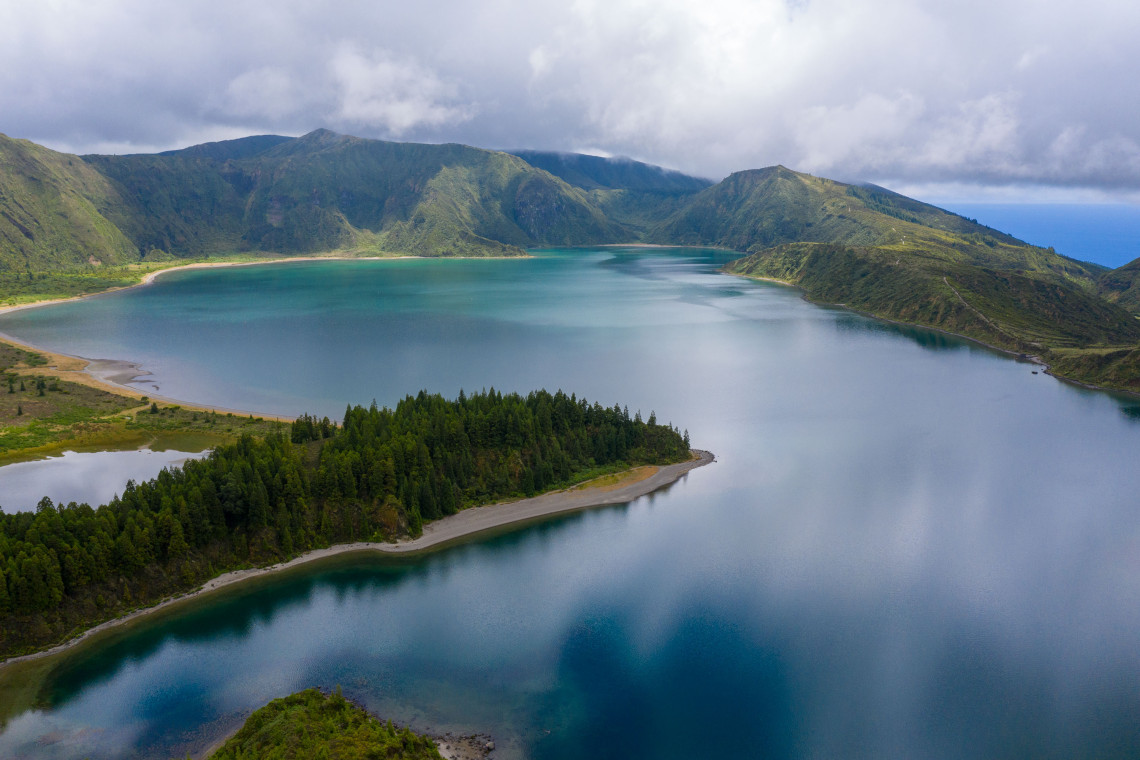
HIKE THREE CRATERS WITH A GUIDE
A multi-day hiking pack covering Lagoa do Fogo from Pico da Barrosa, Sete Cidades and Furnas, with transport from Ponta Delgada and a local guide.
See the hiking pack →Shorter guided hikes are also available, such as the Serra Devassa and Boca do Inferno hike above Sete Cidades and the Sanguinho trail to the Salto do Prego waterfall. See our guide to the best hikes on São Miguel.
Climbing Mount Pico
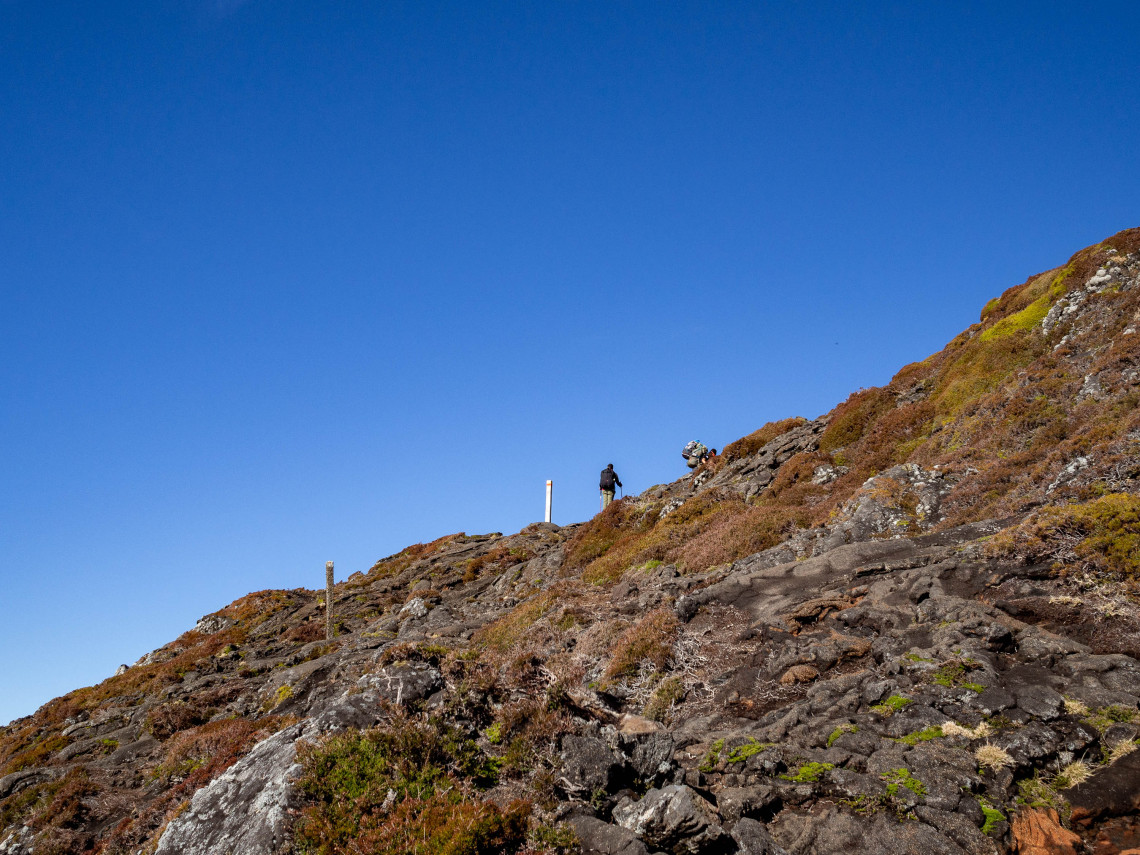
At 7,713 ft (2,351 m), Mount Pico is the highest point in Portugal and the most demanding adventure in the Azores. Reaching the summit takes about three to four hours from the Casa da Montanha, the mountain house at about 3,940 ft (1,200 m), where every climber registers and receives a GPS locator that must stay switched on. Numbers are capped at 320 climbers a day. Access can be refused in bad weather or without proper equipment, and the park asks climbers to carry at least 1.5 liters of water, warm and waterproof layers and mountain boots, and to turn back if the weather changes. Going with a certified guide is the safest option for a first climb.
Canyoning Down Waterfalls
Canyoning, descending a river canyon by walking, sliding, jumping and rappelling down waterfalls, is one of the signature Azores adventures, and the islands' steep, wet volcanic valleys are made for it. Routes are graded from Level 1 to Level 3. Level 1 needs no previous experience: 2.5 to 4 hours in the canyon, short slides, optional jumps of 6 to 10 ft and rappels up to about 60 ft. São Miguel has the widest choice, from the beginner canyon at Ribeira dos Caldeirões to the waterfall rappels of Salto do Cabrito; Terceira and Flores have their own routes. Our canyoning guide compares them.
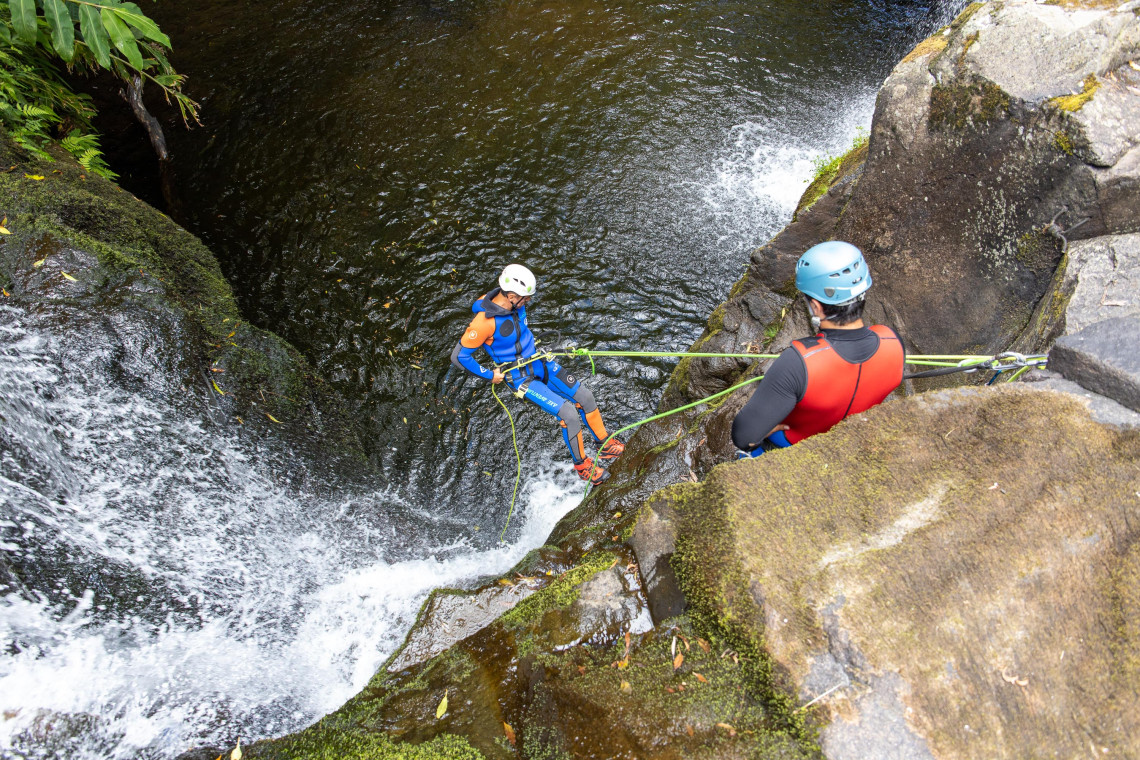
FIRST TIME CANYONING?
A half-day Level 1 canyoning trip at Ribeira dos Caldeirões in the northeast of São Miguel, with all equipment and certified guides. No experience needed.
Book beginner canyoning →If you are on Terceira, there is also half-day canyoning at Ribeira da Agualva.
Whale Watching All Year
Twenty-eight species of cetaceans have been recorded in Azorean waters. Sperm whales and several dolphin species are resident all year, and blue, fin and sei whales pass on their spring migration, roughly from March to May. Trips run from São Miguel, Pico and Faial whenever the sea allows. Pico, with its whaling heritage and deep water close to shore, is where many naturalists go for the best odds of rarer species. See our whale watching guide by island.
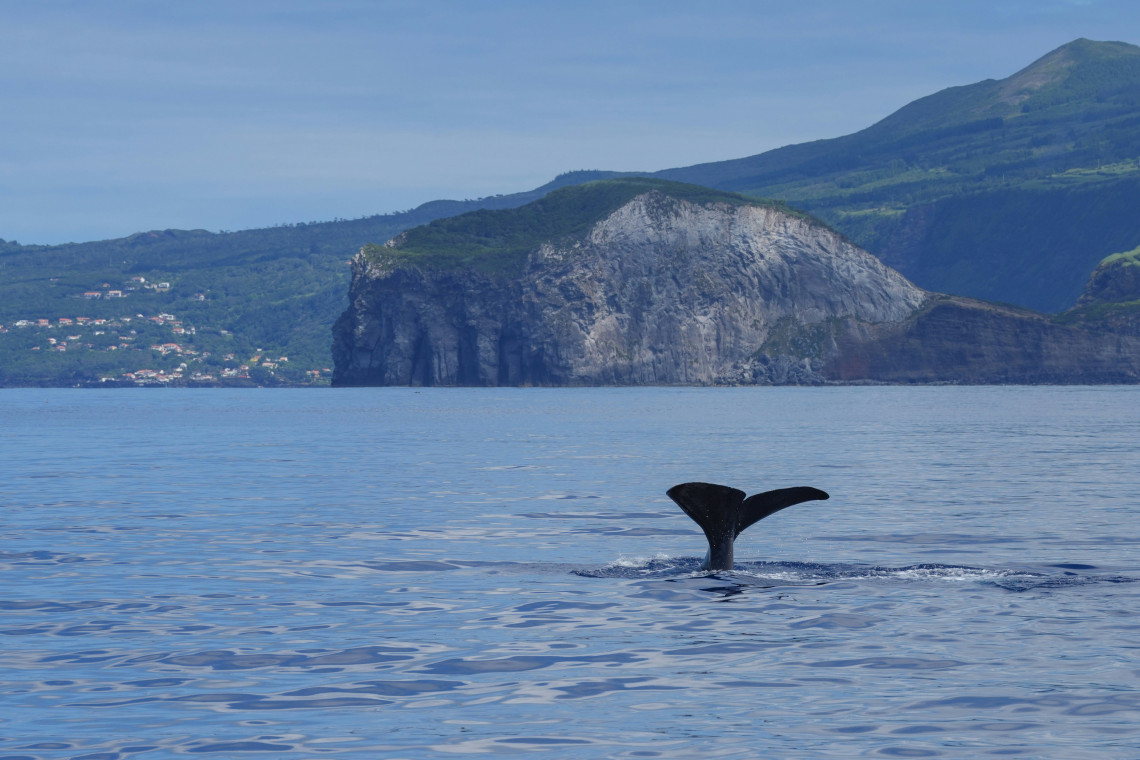
WHALE WATCHING FROM PONTA DELGADA
Three hours on a stable catamaran from the Ponta Delgada marina, with marine biologists on board. The comfortable option for families and anyone who prefers a dry, sheltered boat.
Book the whale watching trip →On Pico, you can book half-day whale watching from Lajes do Pico.
Diving and Snorkelling with Mobula Rays
The Azores are one of the best places in the Atlantic to dive with big pelagic animals. Around Santa Maria, mobula rays are common throughout summer, with the Formigas Islets and Dollabarat Bank most reliable from June to September. For advanced divers, the Princess Alice Bank, a seamount about 58 miles (93 km) southwest of Pico, attracts groups of mobula rays that rise to cleaning stations near 100 ft (30 m). Water reaches 72 to 75°F (22 to 24°C) in August and September, and peak diving season runs from mid-July to mid-October. Our Azores diving guide covers every island.
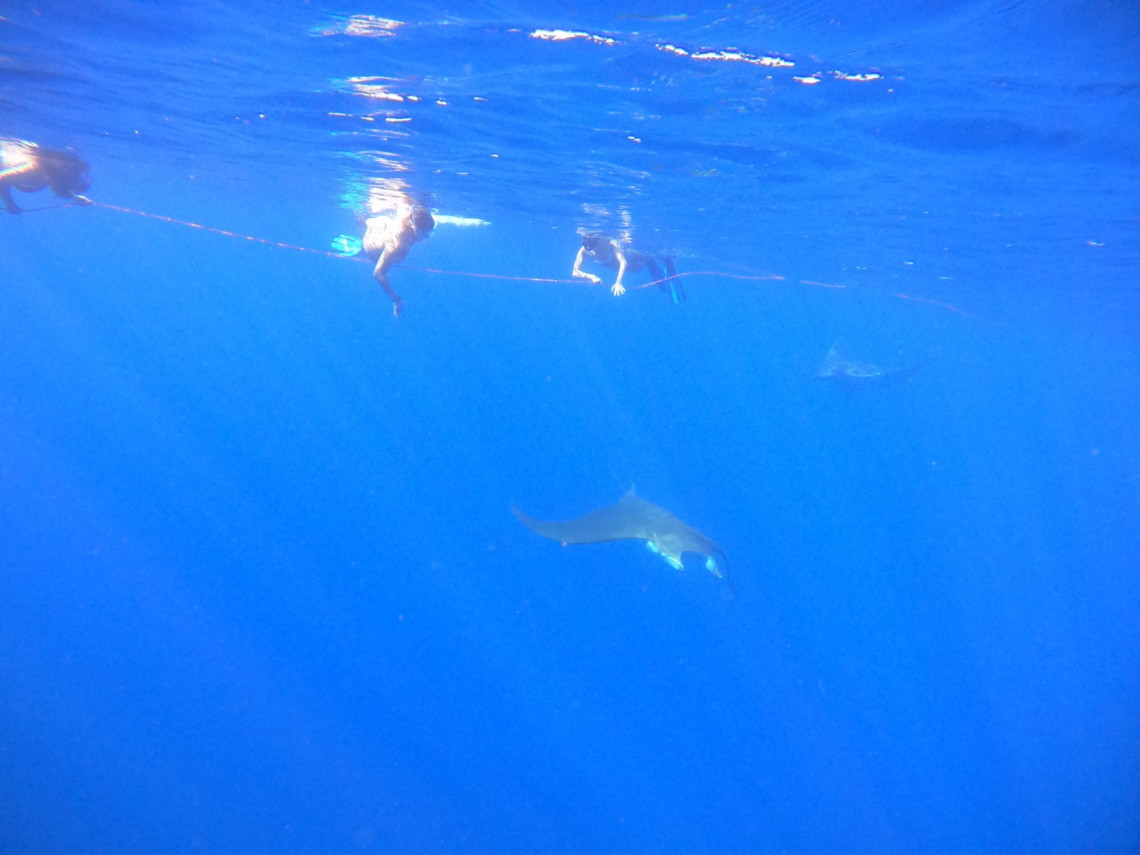
SNORKEL WITH MOBULA RAYS
A boat trip from Santa Maria to snorkel with mobula rays in the open ocean, with the chance of other pelagic species in summer.
See the snorkelling trip →Certified divers can also book the Ambrósio dive off Santa Maria.
Off-Road and on the Water
For a less strenuous adventure, jeep tours follow farm tracks and forest roads to the crater rims, and in summer you can kayak or paddleboard on the Sete Cidades lakes, surf on the north coast of São Miguel or take a boat to the Vila Franca islet, a flooded volcanic crater with a natural pool.
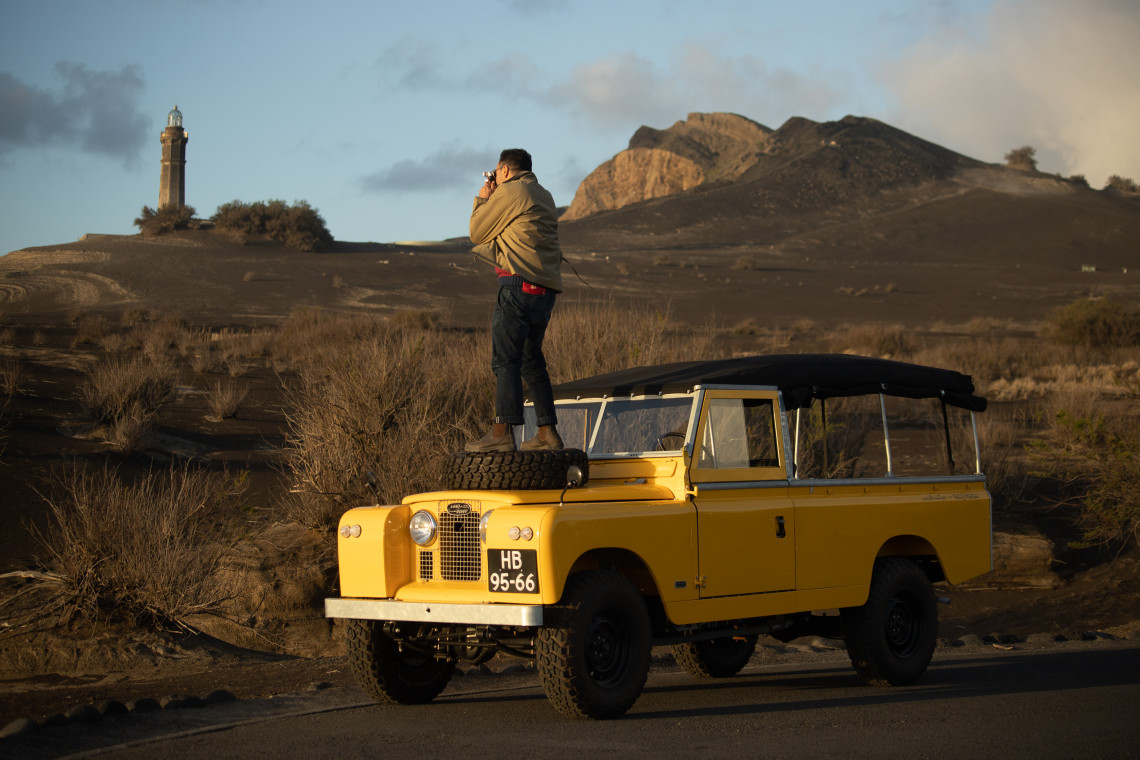
OFF-ROAD TO THE CRATER
A full-day jeep tour that climbs to Lagoa do Fogo, then crosses the island to the waterfalls and mills of Ribeira dos Caldeirões in Nordeste.
Book the jeep tour →Which Island for Which Adventure
| Island | Best for |
|---|---|
| São Miguel | Hiking, canyoning, whale watching, jeep tours, kayaking, surfing |
| Pico | Climbing Mount Pico, whale watching |
| Faial | Whale watching, sailing, the Capelinhos volcano |
| Santa Maria | Diving and snorkelling with mobula rays, beaches |
| Terceira | Canyoning, caves, coastal hikes |
| Flores | Waterfalls, canyoning, remote hiking |
| São Jorge | Cliff-top and fajã hikes |
When to Go for Adventure
May to October is the main season: the most stable weather, warm sea, all boat trips running and the trails at their driest. June and September offer the best balance of weather and crowds. Spring (March to May) is the time for blue whales. In winter, highs stay around 63°F (17°C) and hiking, canyoning and hot springs remain possible, but sea conditions cancel more boat trips and Mount Pico is for experienced climbers only. See our month-by-month guide.
From North America, Azores Airlines flies non-stop from Boston and Toronto all year and from New York and Montreal seasonally, in about five hours. See our guide to flights to the Azores.
ADVENTURE ON MORE THAN ONE ISLAND
Our Explore All 9 Islands package takes you across the whole archipelago, from the crater lakes of São Miguel to the waterfalls of Flores and Mount Pico, with flights between the islands included.
See the 9-island package →Book an adventure
Plan it your way
Custom Your Trip
Tell our local travel advisors which islands, dates and experiences you want and we build the itinerary around you.
Start your custom trip →Limited time
Azores Packages On Sale
Flights, hotels and rental car bundled at reduced prices. See every package currently on sale and book while it lasts.
Book now →Azores Adventure Travel: FAQ
What award did the Azores win in 2026?
Europe's Leading Regional Adventure Tourism Destination 2026, at the World Travel Awards Europe gala in Montenegro on 17 October 2026.
How many times have the Azores won adventure awards at the World Travel Awards?
Seven times since 2020: Europe's Leading Adventure Tourism Destination in 2020, 2021, 2022 and 2024, World's Leading Adventure Tourism Destination in 2023 and 2024, and Europe's Leading Regional Adventure Tourism Destination in 2026.
What adventure activities can you do in the Azores?
Hiking, climbing Mount Pico, canyoning, whale watching, diving and snorkelling with mobula rays, jeep tours, kayaking, paddleboarding and surfing.
Which Azores island is best for adventure?
São Miguel has the widest choice. Pico is the island for climbing Portugal's highest mountain, and Santa Maria for diving with mobula rays.
Do you need experience to go canyoning in the Azores?
Not for Level 1 routes, which are designed for first-timers and families. Levels 2 and 3 need previous experience.
How long does it take to climb Mount Pico?
About three to four hours to the summit from the Casa da Montanha, plus the descent. All climbers must register and carry a GPS locator.
When is the best time for adventure in the Azores?
May to October for most activities, with March to May best for blue whales and mid-July to mid-October for diving.