October 2026 • 8 min read
Santa Maria is a small island with a short list of places to stay, and the choice comes down to three areas. Vila do Porto, the only town, has the island's two hotels (the 87-room Hotel Colombo and the 15-room Charming Blue) plus the restaurants, the marina and the dive centres. Praia Formosa, ten minutes away, has beach houses a step from the Azores' only pale-sand beach. The rural interior and the parishes of Almagreira and Santo Espírito have quintas and country houses for travellers who want quiet and a view. Nowhere is more than 25 minutes from anywhere else, so the area you pick is about mood, not logistics.
Below: what each area is like, the properties you can book with us, who each one suits, and the practical points (car, season, how many nights) that matter on this island.
Why Santa Maria Is the Island for Beaches
Santa Maria is the oldest island in the Azores, the only one with sedimentary rock and marine fossils, and the furthest south-east, which puts it in the path of more sun and less rain than the rest of the archipelago. Those three facts explain its coast. The erosion of limestone and shell-rich rock produced sand that is pale rather than the volcanic black of São Miguel or Pico; the dry climate means more swimming days from May to October; and the geology of old bays and low cliffs created a string of sheltered coves. The island is also small, so no beach or pool is more than 25 minutes from Vila do Porto, and the official bathing season with lifeguards runs through the summer months at the main sites.
Sea temperature is the thing to know before you go. The Atlantic around Santa Maria warms slowly, from about 17°C in April to 20°C in June and 22 to 23°C in August and September, which is the warmest sea in the Azores and the best time for long swims. By November it is back to 19°C and by March to 16°C, when the natural pools are for the brave and the beaches for walking.
Praia Formosa: The Main Beach
Praia Formosa is the beach most people picture when they picture Santa Maria, and it is the oldest named bathing spot in the Azores, appearing as "Playa Hermosa" on Abraham Ortelius's map of the islands in 1584. It is a curve of light sand about a kilometre long in the parish of Almagreira on the south coast, ten minutes by car from Vila do Porto and the airport, backed by a small settlement of holiday houses and the stage that hosts the Maré de Agosto music festival every August. The sand is pale because of limestone and shell particles mixed into the volcanic grains; it is not Caribbean white, but it is unlike anything on the other islands.
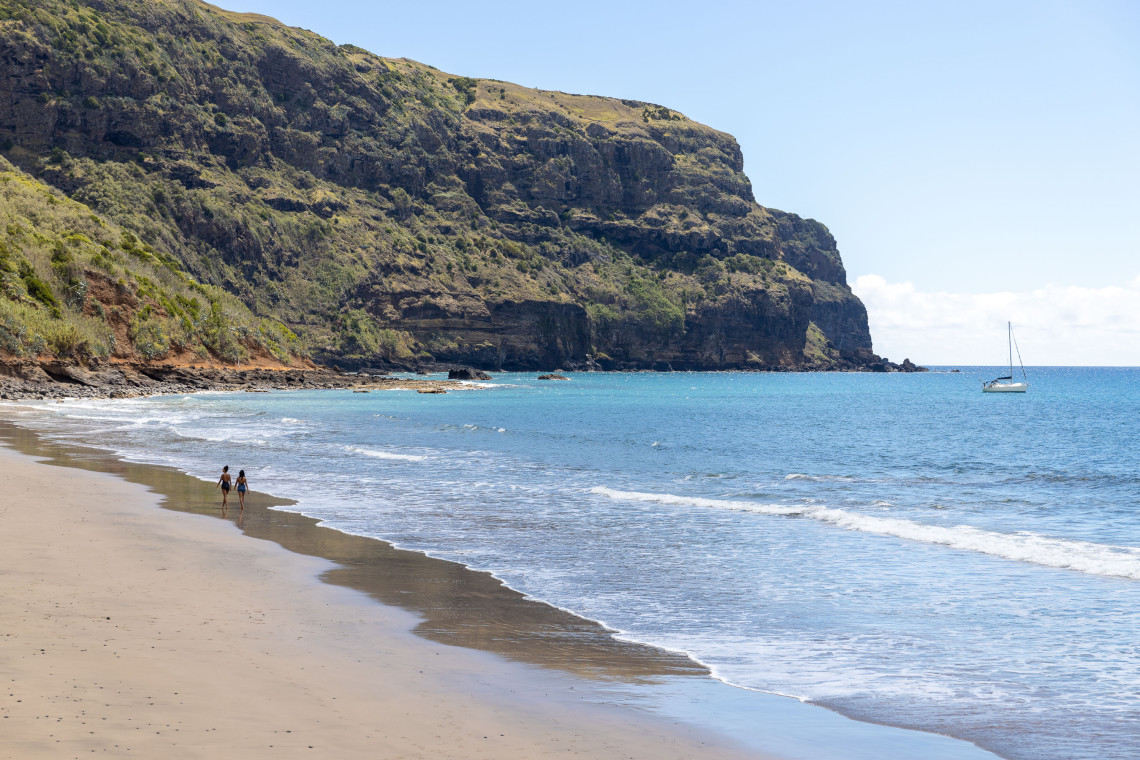
The beach flies the Blue Flag, has lifeguards in the summer season, and has the island's most complete facilities: free parking, showers, toilets, bars and restaurants, a campsite and access for reduced mobility. The water is clear and the shallows are gentle on calm days, which makes it the family beach; on days with a southerly swell it becomes the island's most consistent surf and bodyboard spot, with waves suitable for beginners and lessons. Arrive early in August, when the Maré de Agosto festival (held since 1984) fills the beach and the village for three days in the third week of the month. The Areia Branca hiking trail (PR06 SMA) starts here and crosses the island to São Lourenço, which is a fine way to see both beaches in one day.
Baía de São Lourenço: The Terraced Bay
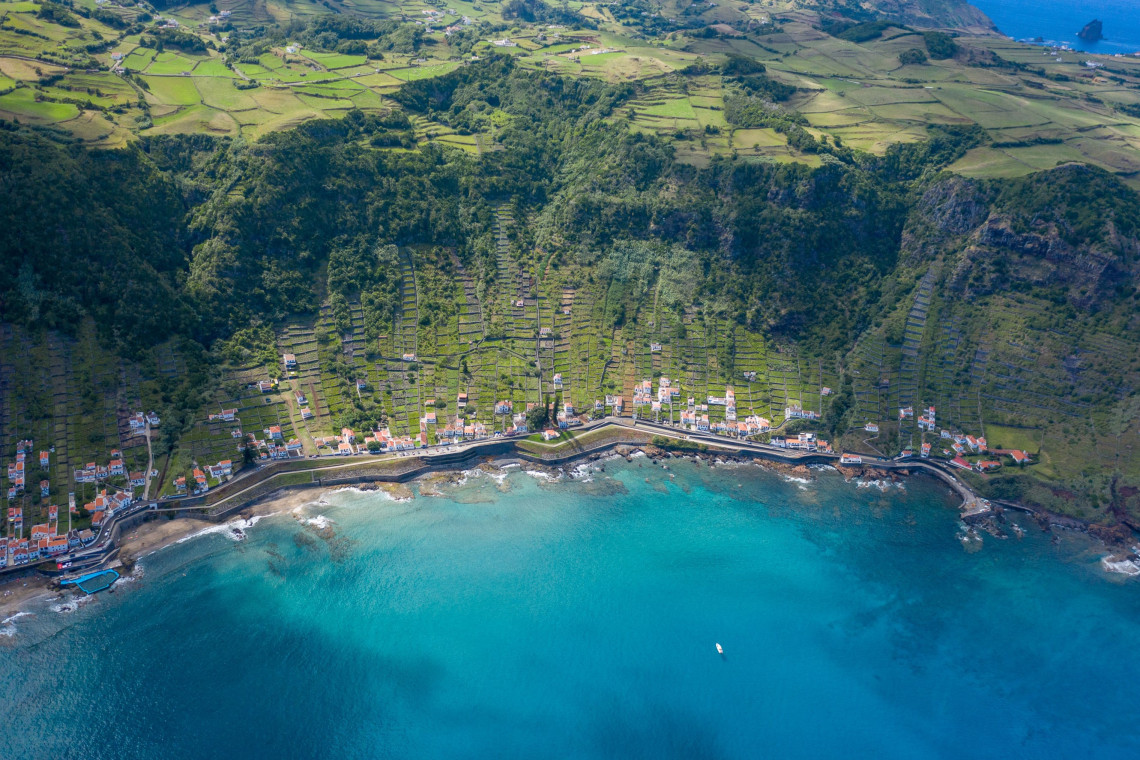
São Lourenço, on the north-east coast about 20 minutes from Vila do Porto, is the most photographed place on Santa Maria and one of the most striking landscapes in the Azores: a wide bay shaped like an amphitheatre, its slopes stepped with centuries-old vineyard terraces walled in dark stone, dropping to a small beach of pale sand, natural rock pools and the islet of Romeiro standing 92 m high offshore. The whole bay has been a nature reserve since 1987 and fewer than 20 people live in the village at the bottom.
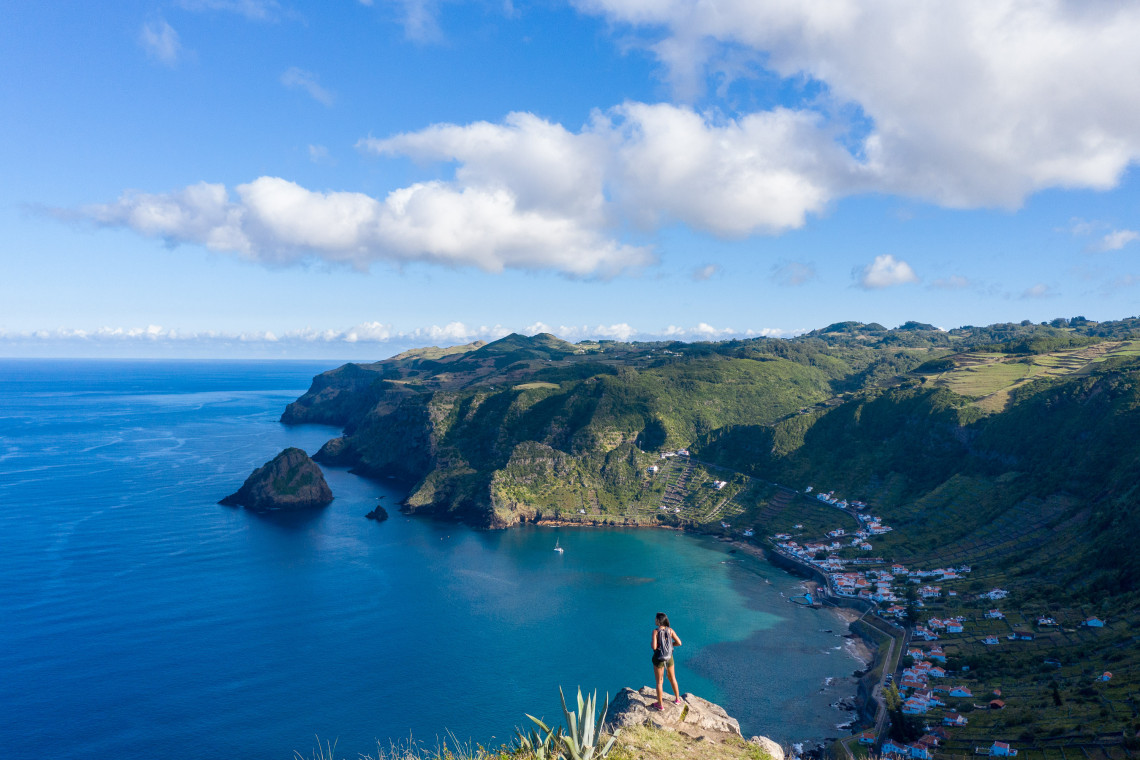
The beach is small and partly rocky, with shallow, protected water on calm days and rock pools built into the shore for swimming when there is swell. The water is exceptionally clear, averaging around 12 m visibility by local accounts, which makes the bay a favourite for snorkelling along the rocks and around the islet; the islet itself has a sea cave reachable only by boat and is home to the endemic Azores noctule bat. The bay has showers, toilets and a couple of restaurants serving local food in summer, and two viewpoints on the road down, the Miradouro de São Lourenço and the Miradouro do Espigão, that are worth the stop even if you do not swim. Stay for the evening if you can: the light on the terraces after the day visitors leave is the island's best.
Natural Pools: Anjos, Maia and the Vila do Porto Coast
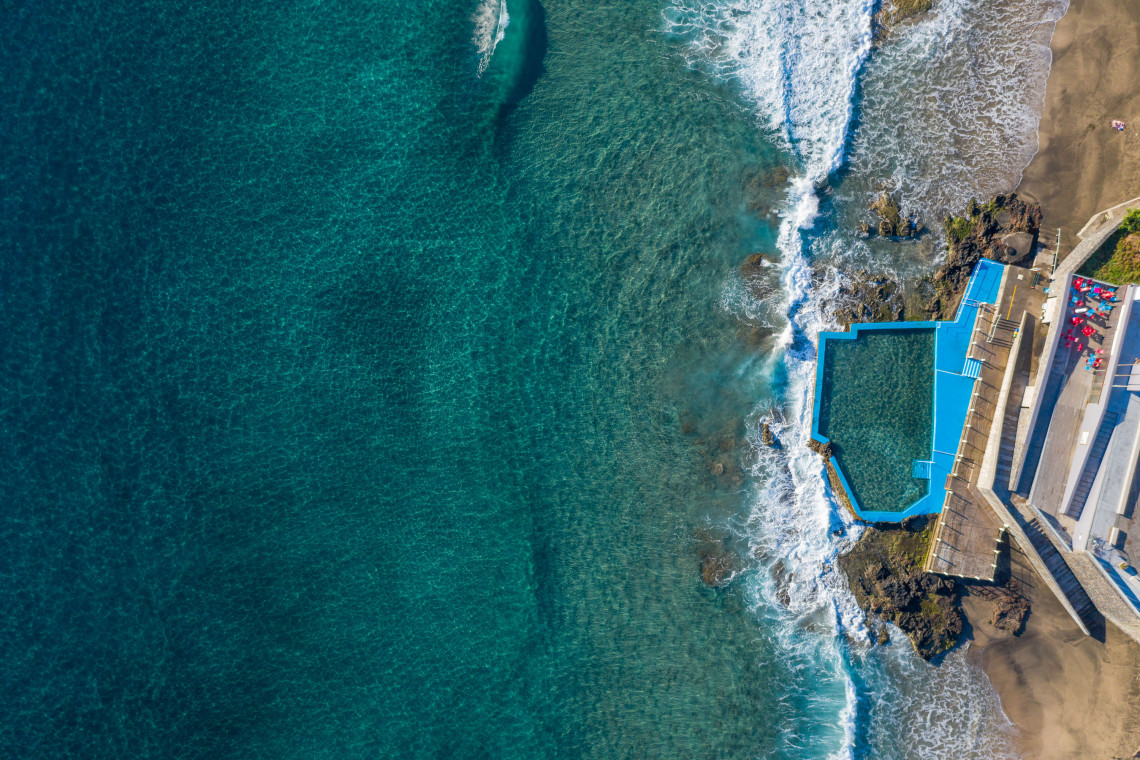
Where there is no sand, the Azores swim in piscinas naturais, natural pools formed by lava rock and improved with concrete decks, ladders and sometimes a protective wall. Santa Maria has several and two stand out.
Anjos, on the north coast 15 minutes from town, has the island's best-known pool complex: a sheltered natural pool with sunbathing platforms, showers and a seasonal bar beside the tiny fishing harbour, in the bay where Christopher Columbus is recorded as having stopped to pray in February 1493 on his way back from the Americas. The 15th-century chapel and his statue are a minute's walk away. Anjos is also the island's premier surf break, a right-hand point over rock that works on a north to north-east swell for intermediate and experienced surfers, best from mid to high tide; on big days the swimmers stay in the pool and the surfers take the point.
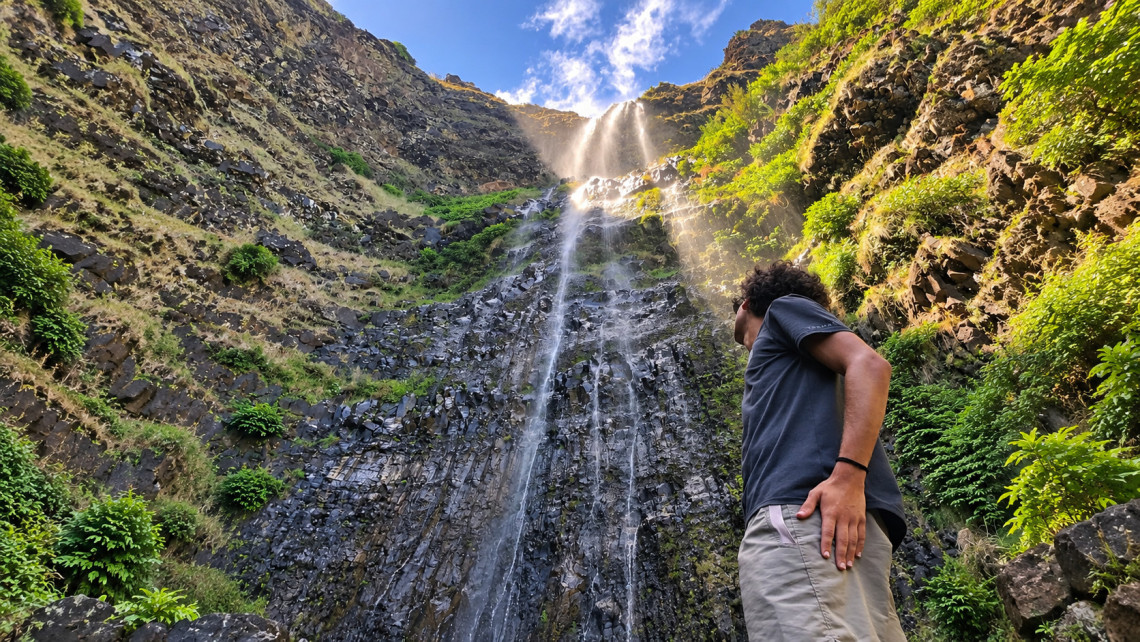
Maia, on the south-east coast below Santo Espírito, is a hamlet of vineyard terraces and stone walls at the foot of a cliff, with a natural saltwater pool, a small bathing area with facilities and the Gonçalo Velho lighthouse on the headland beyond. It is the end point of the Santo Espírito trail and sits beneath the Cascata do Aveiro, a waterfall of about 110 m that falls to the sea, which is at its fullest in winter and spring. The pool is calm on most days but exposed to easterly swell, so check the sea before getting in. Maia is the quietest of the three main swimming spots and the one locals go to.
Around Vila do Porto itself there are a few small bathing areas and pools along the coast below the town, useful for a quick swim before dinner if you are staying there. The islet off the harbour, Ilhéu da Vila, is a protected seabird reserve and is closed to visitors.
Snorkelling and Diving: Ambrósio and the Rays
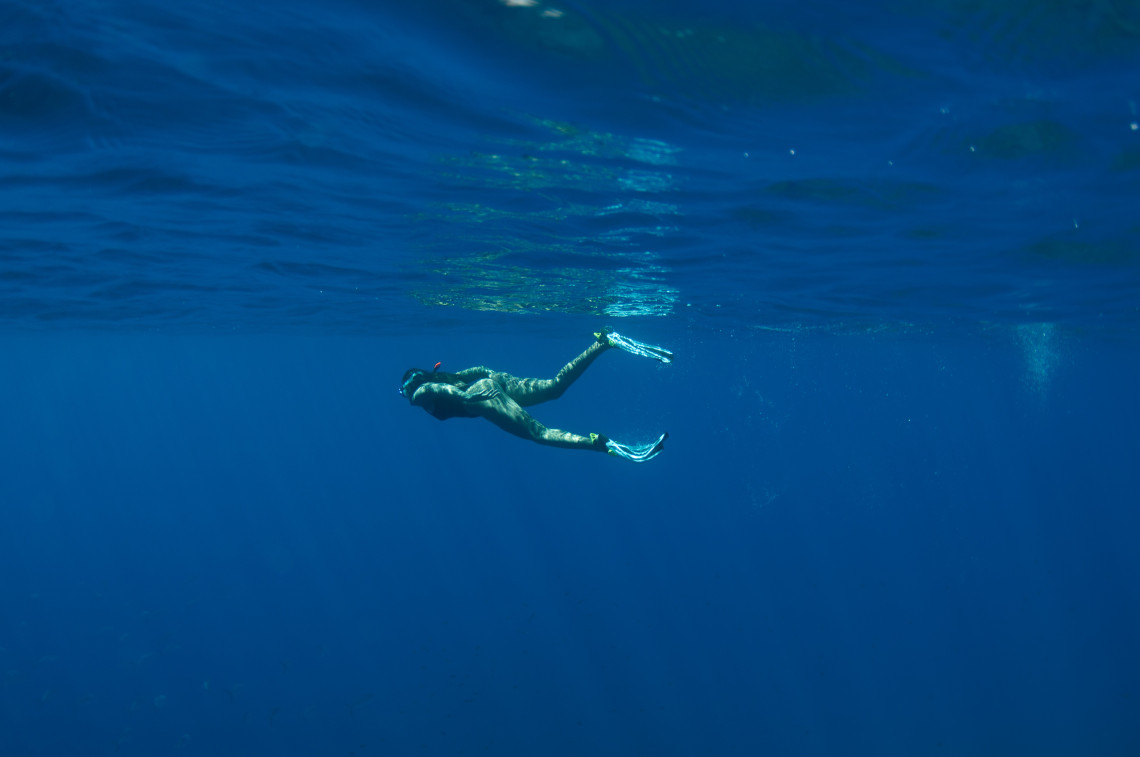
Santa Maria is the diving island of the Azores, and the reason is the Baixa do Ambrósio, a seamount a few miles off the north coast that rises from deep water to within reach of recreational divers and, in season, attracts groups of mobula (devil) rays that circle in the blue, sometimes a dozen at a time. The season runs from roughly May to October with the most reliable encounters from July to September, and some summers bring whale sharks as well. Diving at Ambrósio is a drift dive in open water for certified divers with some experience of current; snorkelling trips take non-divers to the same area and to the marine protected areas around the island, with wetsuit, mask and fins included and the rays often coming up to the surface to look at swimmers.
Beyond Ambrósio, the Formigas islets and the Dollabarat bank, a marine reserve about 20 nautical miles north-east, offer big-fish diving for experienced divers when the sea allows, and the coastal sites around São Lourenço and the south coast give easy dives and good snorkelling from the shore. Dive centres are based in Vila do Porto harbour.
SNORKELLING WITH MOBULA RAYS
Boat trip to the marine protected areas and, in season, to Ambrósio, with wetsuit, mask and fins included. No diving certificate needed; confident swimmers only.
Book the snorkelling trip →AMBRÓSIO DIVE
Half-day boat dive at the Ambrósio seamount with a local centre, for certified divers. Mobula season May to October.
Book the Ambrósio dive →Surfing, Paddling and Boats
Surf on Santa Maria is small-scale and uncrowded. Anjos is the quality wave, a rocky right point for surfers who know what they are doing; Praia Formosa is the beach break for everyone else, with the most consistent conditions on the island and the place to take a lesson or rent a board in summer; São Lourenço picks up north-easterly swell on its outer rocks. Autumn and winter bring the biggest swells and the emptiest line-ups, and the water stays warm enough for a 3/2 wetsuit into November. Ask at the beach bars or in Vila do Porto about boards and lessons; the operators are few and seasonal.
On calm summer days the bays of São Lourenço and Praia Formosa are good for stand-up paddleboarding and kayaking, and boat trips from Vila do Porto run along the south coast to the sea caves and to the Ilhéu da Vila reserve from the water. Whale and dolphin watching also leaves from Vila do Porto in season, with sperm whales and several dolphin species seen off the island; it is a smaller operation than on São Miguel and depends on the sea, so book it early in your stay to leave room for a weather day.
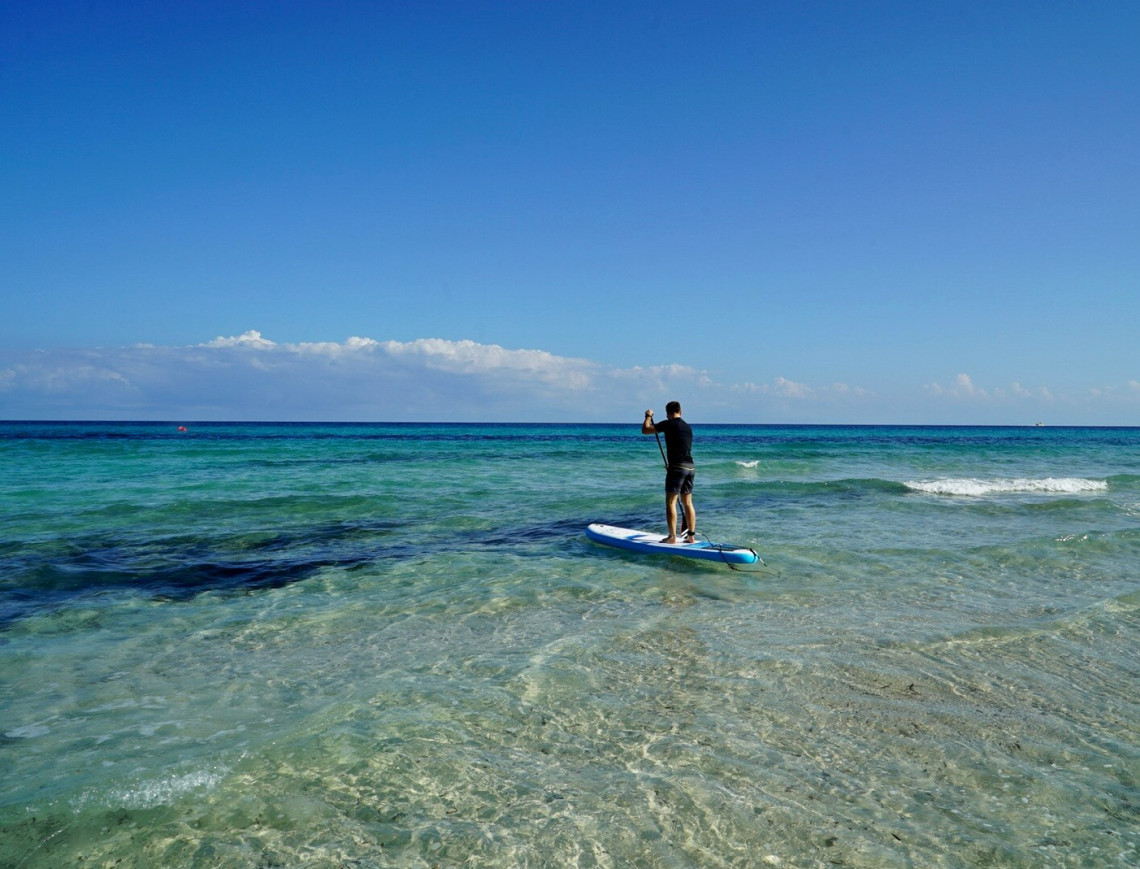
A Beach Day Plan
With a car, the island's swimming spots fit into two half-days. Morning at Praia Formosa while the sun is on the south coast, lunch at the beach bar, then over the island to Anjos for the natural pool and the chapel in the afternoon. The next day, drive the east: a swim at Maia under the lighthouse, the Aveiro waterfall viewpoint, then the terraces of São Lourenço for the late afternoon and the best light, with dinner at the bay. If you prefer not to drive, the full-day island tour stops at Praia Formosa, Anjos and the São Lourenço viewpoint with swim time built in.
SANTA MARIA FULL-DAY ISLAND TOUR
Eight hours around the island with a local guide, including Praia Formosa, the Anjos pools and the São Lourenço bay, with time to swim. Pick-up at your hotel or the airport.
Book the island tour →Practical Notes
Bring reef shoes for the natural pools, where the rock is sharp and the ladders can be slippery with weed, and respect the flags: red means the pool or beach is closed to swimming because of swell, and the Atlantic here can turn a calm pool into a washing machine within an hour. Lifeguards are present at Praia Formosa in the summer season and at the main pool complexes in July and August; the other spots are unguarded all year. Sun is stronger than the mild temperatures suggest, and shade is scarce at every site except the bars. Most beach bars and the São Lourenço restaurants open from late spring to September and close or keep weekend hours otherwise. Finally, the pools and small beaches have little parking, so in August go early or late.
Plan it your way
Custom Your Trip
Tell our local travel advisors which islands, dates and experiences you want and we build the itinerary around you.
Start your custom trip →Limited time
Azores Packages On Sale
Flights, hotels and rental car bundled at reduced prices. See every package currently on sale and book while it lasts.
Book now →Santa Maria Beaches: FAQ
Does Santa Maria have white sand beaches?
It has the only pale-sand beaches in the Azores: Praia Formosa and the small beach at São Lourenço. The sand is light because of limestone and shell particles mixed into the volcanic grains, so it is pale gold rather than white, but it is unlike the black sand of the other islands.
What is the best beach in Santa Maria, Azores?
Praia Formosa for a classic beach day, with a kilometre of light sand, Blue Flag, lifeguards, bars and gentle water on calm days. São Lourenço for scenery and snorkelling. Anjos and Maia for natural pools.
Can you swim in Santa Maria all year?
The sea is warmest from July to October at 22 to 23°C and comfortable from June. From December to April it is 16 to 18°C, and winter swell closes the natural pools often. Lifeguards cover Praia Formosa in the summer season only.
Where are the natural swimming pools in Santa Maria?
Anjos on the north coast, with the best-equipped pool complex, Maia on the south-east coast below the Aveiro waterfall, and smaller pools along the coast below Vila do Porto. São Lourenço has rock pools beside its beach.
When can you snorkel with mobula rays in Santa Maria?
From roughly May to October at the Ambrósio seamount, with the most reliable sightings from July to September. Snorkelling trips include equipment and need no certification; diving at Ambrósio is for certified divers with experience in current.
Is there surfing in Santa Maria?
Yes. Anjos is a right-hand point break over rock for intermediate and experienced surfers, best on a north to north-east swell; Praia Formosa is the beach break for beginners and lessons. Autumn and winter have the biggest waves.
Is Praia Formosa a Blue Flag beach?
Yes. It has held the Blue Flag for many years and has lifeguards in summer, free parking, showers, toilets, bars, restaurants and a campsite.
What is the Maré de Agosto festival?
A music festival held on Praia Formosa every August since 1984, the oldest in the Azores, which fills the beach and the island's accommodation for three days in the second half of the month. Book early if your dates overlap.
Do I need a car to reach the beaches in Santa Maria?
Yes, or the full-day island tour, which stops at Praia Formosa, Anjos and São Lourenço with swim time. There is no useful public transport, and the swimming spots are spread around the coast 10 to 25 minutes from Vila do Porto.
.jpg "Sete Cidades Caldera Lakes in São Miguel Island, Azores")
.jpg "Jeep tour through Cumeeiras, Sete Cidades, São Miguel Island")
.jpg "Scenic View of Tea Plantations in São Miguel, Azores")
.jpg "Pico Island’s Longitudinal Road (IS1) – Scenic Drive Through the Heart of the Island")